Bipolar Disorder Explained: What It Is and What It Isn’t
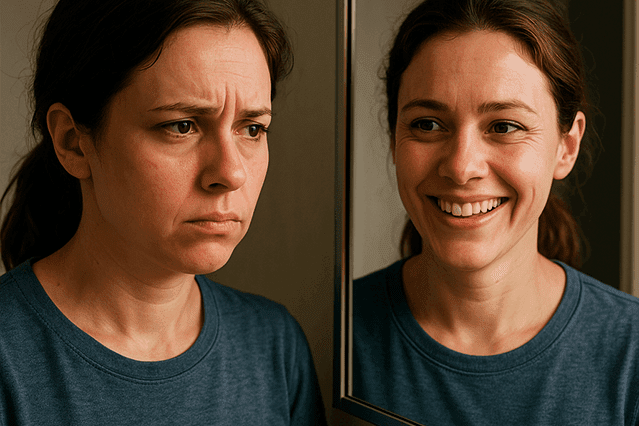
When people hear the term bipolar disorder, they often picture extreme mood swings, unpredictable behavior, or even dangerous outbursts. Unfortunately, much of what the general public thinks they know about bipolar disorder is shaped by movies, stereotypes, or misinformation. The truth is more complex and much more human.
Bipolar disorder is a serious mental health condition that affects mood, energy levels, and the ability to function in everyday life. It is not just being moody. It is not simply switching from happy to sad. And it definitely is not something that defines who a person is.
Let’s take a closer look at what bipolar disorder really means, and just as importantly, what it does not.
Understanding Bipolar Disorder
At its core, bipolar disorder involves shifts in mood that range from emotional highs, called mania or hypomania, to emotional lows, known as depression. These mood episodes go beyond what most people experience in the ups and downs of daily life. They can be intense and affect sleep, judgment, decision-making, and relationships.
There are different types of bipolar disorder. In bipolar I, people experience full manic episodes that may require hospitalization. In bipolar II, the person has hypomanic episodes, which are less severe, but also faces long periods of depression. There is also cyclothymic disorder, where mood changes happen often but are less intense.
These mood states do not always flip quickly. A person might be in a depressive state for weeks or even months before moving into mania or hypomania. And sometimes, people go for long periods without any symptoms at all.
What Bipolar Disorder Is Not
One of the most harmful myths about bipolar disorder is that it makes someone dangerous or violent. This idea is not only false but also deeply stigmatizing. The majority of people with bipolar disorder are not a danger to others. What they often need most is understanding and support.
Another common misconception is that people with bipolar disorder cannot function in their careers or relationships. In reality, with the right treatment plan, many individuals live full, successful lives. Some are artists, business owners, teachers, parents, and partners. Like anyone else, they face challenges, but bipolar disorder does not take away a person’s potential.
It is also wrong to assume that someone is faking or exaggerating their symptoms. The shifts in mood, energy, and thinking that come with bipolar disorder are real and can be deeply disruptive. Dismissing these experiences only adds to the emotional burden of living with the condition.
Why Accurate Understanding Matters
When we misunderstand bipolar disorder, we create barriers to care. People may hesitate to seek help because they are afraid of being labeled. Or they may blame themselves for something that is beyond their control. Worse, friends or family may try to minimize what someone is going through by saying things like “everyone gets sad” or “you are just being dramatic.”
That is why education is so important. When we have a clear, compassionate understanding of bipolar disorder, we can respond with empathy instead of judgment. We can support our loved ones and ourselves in ways that actually help.
Hope and Healing Are Possible
Living with bipolar disorder can be challenging, but it is manageable. Treatment often includes a combination of medication, therapy, lifestyle changes, and strong support systems. The goal is not to erase the condition, but to manage it in a way that allows for stability and well-being.
If you or someone you know is struggling with mood swings or feeling overwhelmed, know that help is available. No one needs to suffer in silence or carry the weight of stigma. Understanding the truth about bipolar disorder is the first step toward healing and hope.
Let us replace the myths with real stories, real support, and a better way forward.